First World War Mons Star 'old contemptible' Group of Four Medals, awarded to Thomas Dunlop MACNAIR (2020) of the Northumberland Hussars Yeomanry and Royal Field Artillery , swing mounted as worn, together with the miniatures and medal ribbon bar.
Presented in its original Spink case (and where the metal ribbon bar is made by Spink)
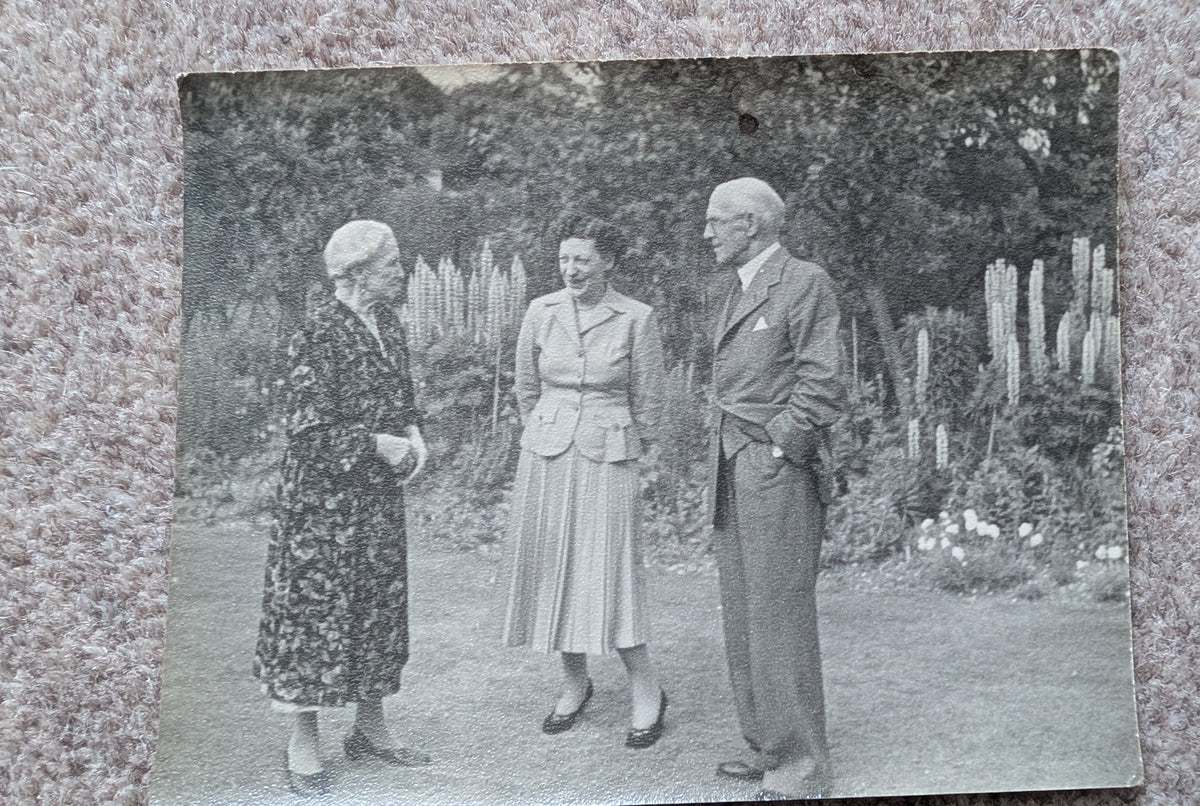
Also included are 2 large portrait photos, 2 photos showing him with his unit as a Lieutenant and then 2 photos of him in later life.
Also supplied are his Birth, Marriage and Death Certificates.
He was born in Glasgow on the 31st July 1883 and died on 8th March 1968
WW1 medals:
- 1914 Mons Star with August clasp
- British War medal
- Victory Medal
- George V Territorial Efficiency medal
All with original ribbons
The miniatures also have the correct clasp on the Mons Star and the ribbon bar has the appropriate rosette on the Mons Star.
Thomas was a Serjeant in the Northumberland Hussars and then gained a battlefield commission (on 26th Oct 1915) resulting in him transferring into the 3rd Northumbrian (County of Durham) Brigade Royal Field Artillery as a 2nd Lieutenant.
His Star and Territorial Efficiency medals are named as 2020 SJT in the Northumberland Hussars Yeomanry and his British War Medal and his Victory Medal are named to him as a LIEUT.
The combination of his Mons Star with clasp, Territorial Efficiency medal and his other medals named to him as a Lieutenant make this group a relatively rare combination.
His qualifying service date is 5th October 1914, so that he was eligible for the Mons Star with clasp.
His record shows him serving from 1908 to 1924, and his qualification for the Territorial Efficiency medal is a little complex :
He qualified for the Territorial Force Efficiency Medal through a combination of double-time war service calculations and a specific wartime clause for commissioned rankers, despite only serving 7 calendar years in the ranks.
The "Double-Time" Rule - any soldier who signed the Imperial Service Obligation to serve overseas was allowed to count their embodied wartime service as double time.
Peacetime service (1908 – August 1914): ~6 years and 4 months.
Embodied rank service (October 1914 – October 1915): ~1 year which doubled to 2 years.
The Commissioned Service Clause Under normal peacetime rules, getting a commission immediately disqualified a soldier from earning the TFEM, as it was strictly for the ranks. However, wartime Army Orders created an exception: men who were commissioned from the ranks during embodiment were allowed to count their subsequent officer service toward the 12-year requirement.
His time spent as a 2nd Lieutenant (and any higher wartime rank) continued to tick forward to fill the remaining gap of his 12 required years.
The medal is named to "Sjt" Because the TFEM is an enlisted long-service award, official protocol dictated that it could never be stamped with an officer's rank (like Lieutenant).